
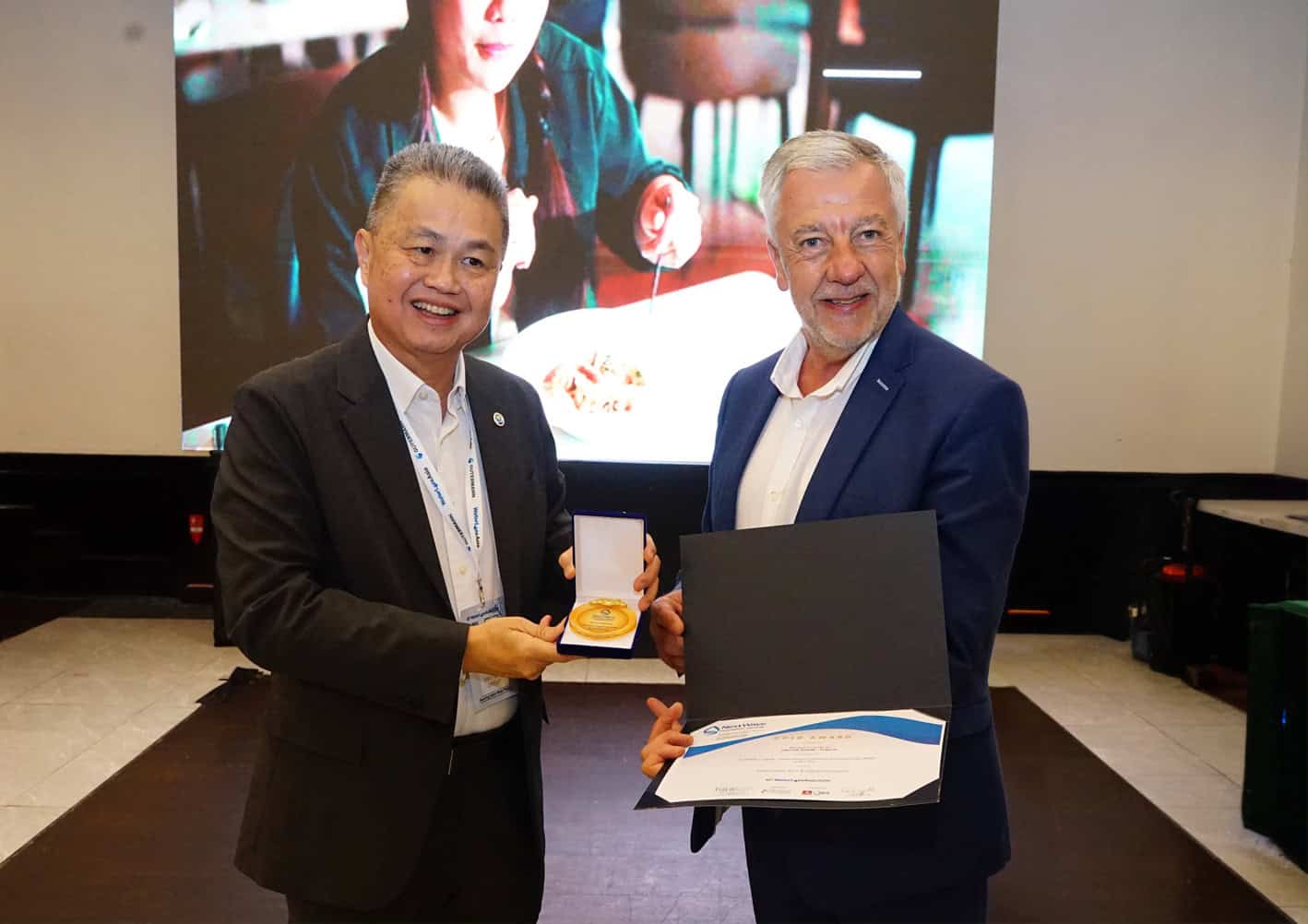
Innovative, cybersecure telemetry for more efficient water networks
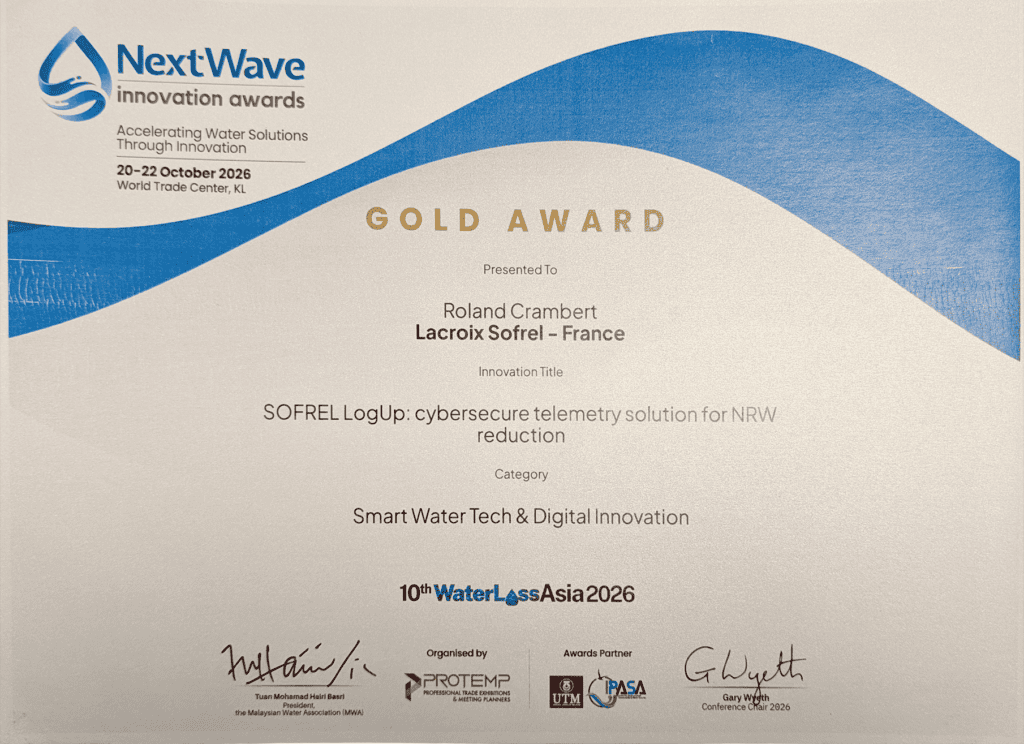
Presented to Roland Crambert, this award recognises an innovative approach to water network telemetry: making field data easier to collect and use to reduce Non-Revenue Water (NRW), improve network efficiency and preserve water resources, while embedding cybersecurity at the heart of the solution.
It addresses the challenges facing operators who need to increase the number of measurement points across their networks, control water losses and consumption, while securing increasingly connected infrastructures.
Water network sectorization to identify areas with water losses more quickly
Drinking water network District Metering is one of the key approaches used to tackle NRW.
By dividing the network into instrumented hydraulic zones and measuring the volumes entering them, operators can compare the behavior of different parts of the network and focus their investigations where water losses appear to be the greatest.
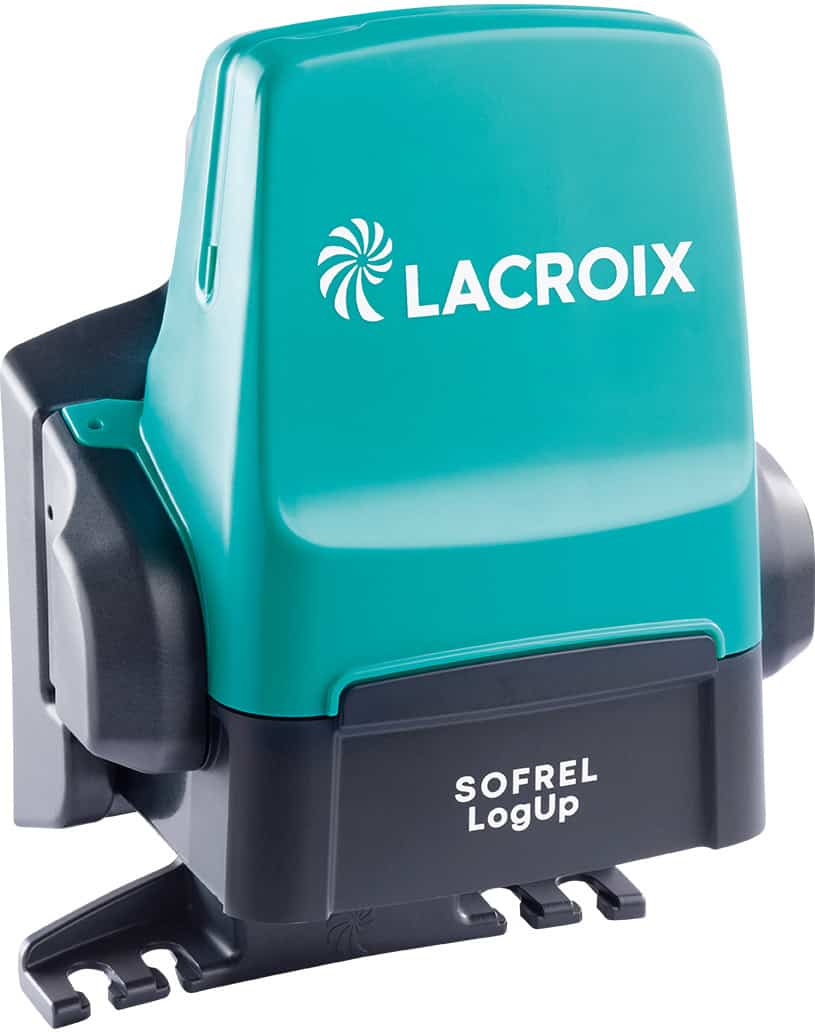
SOFREL LogUp makes it possible to instrument these measurement points and regularly transmit flow and pressure data, including from isolated sites without an electricity supply.
Increasing the number of measurement points thus transforms field data into a genuine network diagnostic tool.
From data to improved network efficiency
This is precisely where digitalization brings real value to sectorization management.
With SOFREL LogUp, LX CONNECT and the My SOFREL LogUp mobile application, field data collection is integrated into a complete telemetry chain.
The objective is not simply to connect more equipment. It is to enable more detailed and extensive network monitoring in order to:
- develop and refine sectorization;
- monitor flows and pressures at strategic points;
- analyze average flows and night flows;
- identify more quickly changes that may indicate leaks or water losses;
- better target leak detection campaigns and field interventions;
- contribute to sustainably improving network efficiency;
- preserve water resources by reducing the volumes of drinking water lost before reaching consumers.
The innovation therefore lies in the ability to easily deploy more intelligence in the field, including at isolated sites, in order to obtain more comprehensive and relevant data on network behavior.
Digitalizing water networks without compromising cybersecurity
However, the growing number of measurement points and connected devices brings another major challenge: cybersecurity.
Water networks provide an essential service to the population. As their operation increasingly relies on connected equipment, protecting communications, access and equipment becomes inseparable from their digital transformation.
This is why cybersecurity has been integrated into SOFREL LogUp from the design stage.
The solution notably relies on security certificates to protect data transmission, centralized management of user rights and automatic certificate renewal.
The integration with LX CONNECT also makes it possible to remotely manage a large fleet of data loggers and deploy the necessary updates, particularly those related to cybersecurity.
This is essential when equipment is numerous, distributed over a large geographical area and sometimes installed in locations that are difficult to access.
Innovation serving water resource preservation
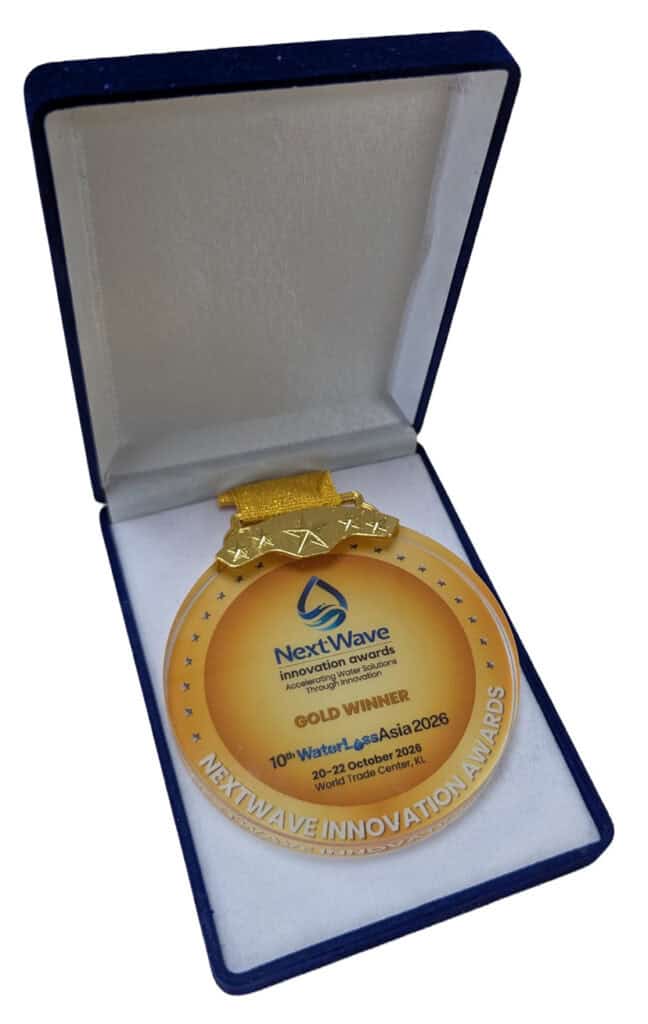
The Gold Award at the NEXT WAVE Innovation Awards 2026 recognizes an approach that goes beyond the data logger itself.
SOFREL LogUp combines network instrumentation, telemetry, remote management and cybersecurity to achieve a concrete objective: give operators the means to better understand their networks, detect water losses more quickly and improve network efficiency.
By facilitating the deployment of new measurement points and the use of their data, the solution supports more proactive NRW management: measure, analyze, identify deviations and take action where water losses are greatest.
An innovation that puts digitalization at the service of a fundamental challenge: preserving water resources while ensuring the continuity and security of the drinking water supply.