
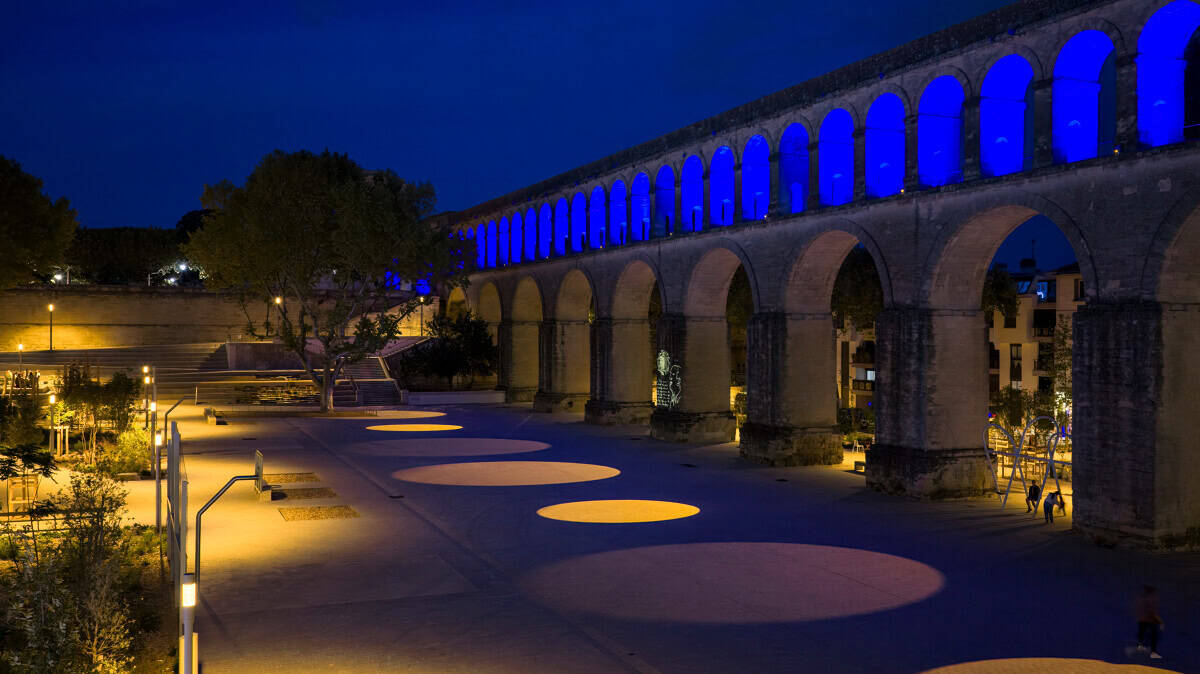
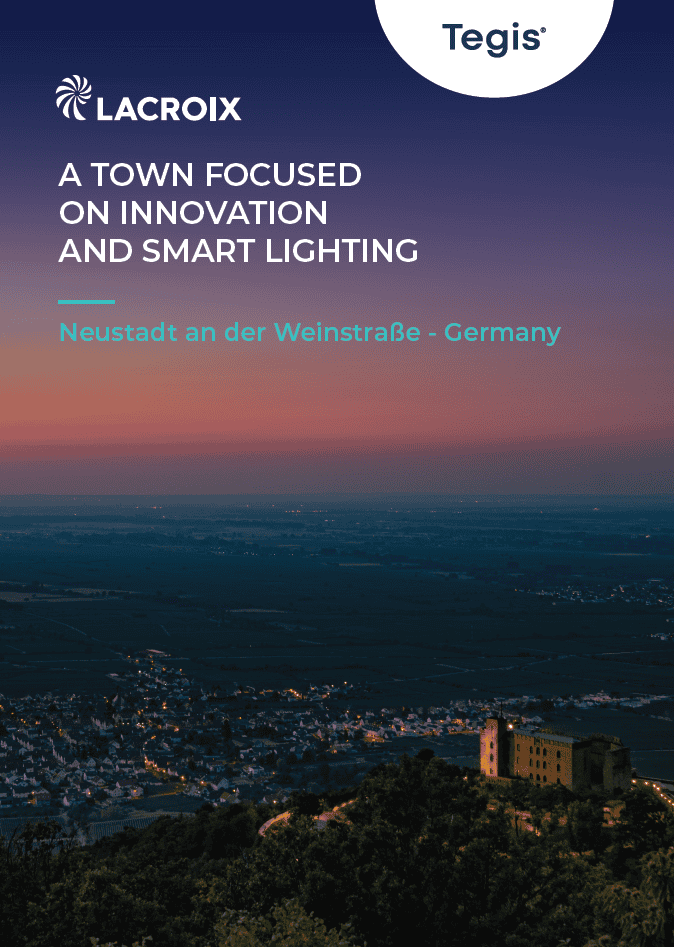
Neustadt: Smart Lighting to Showcase Cultural Heritage
Located in the heart of the German Wine Route, Neustadt an der Weinstraße is gradually modernizing its lighting system to highlight its heritage while keeping energy consumption under control.
Thanks to LACROIX’s Tegis solution, the city benefits from real-time visibility into its infrastructure. Equipment monitoring is streamlined and maintenance operations are optimized, marking the first step toward more connected, scalable, and sustainable connected lighting management.
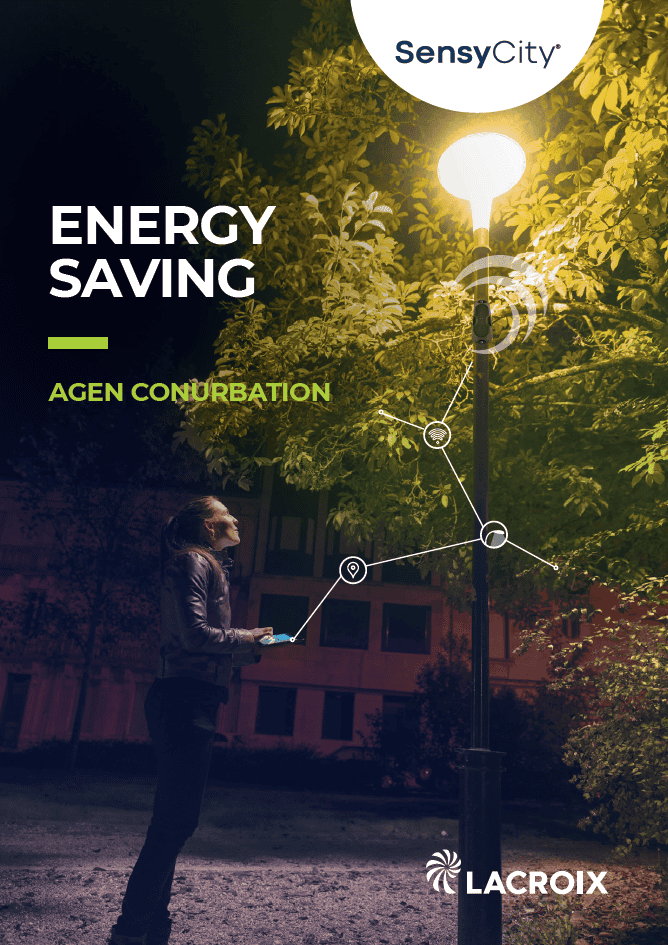
Reducing energy costs: the Agen metropolitan area
The Agen Metropolitan Area’s lighting infrastructure comprises approximately 20,000 light fixtures, 75% of which are over 25 years old.
The infrastructure generates an energy bill of 1.4 million euros, which is constantly rising, and requires frequent maintenance to ensure an adequate level of service.
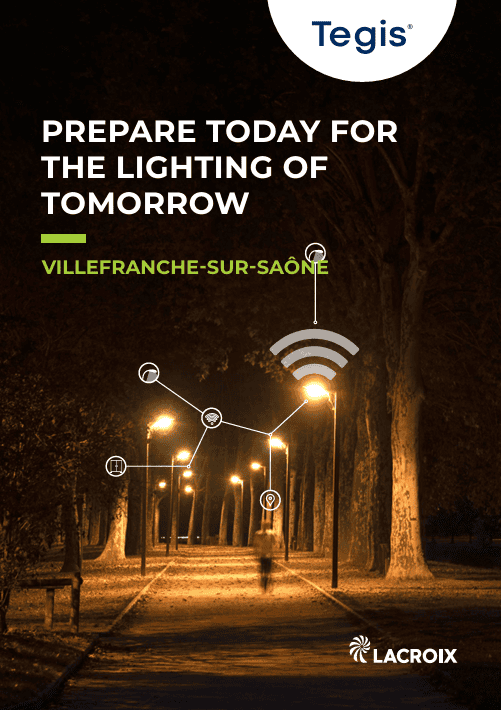
LACROIX and Villefranche-sur-Saône are shaping the future of lighting
Villefranche-sur-Saône, located in the Rhône department, has a network of approximately 4,400 streetlights and 136 utility cabinets, which are generally in good condition.
Villefranche-sur-Saône has identified several key areas for development: enhancing the appeal of the city center, ensuring the safety of technicians working in the field, controlling operating and maintenance costs to finance future investments, and identifying opportunities for savings (operations, energy, maintenance).
Pau: Lighting Management Without Compromise: Cost Savings and Quality of Service
Pau is a city that has been committed to energy conservation for several years. It has adopted an approach focused on energy efficiency and careful analysis of how its residents use the city’s infrastructure—whether on foot, via sustainable modes of transport, by car, or on public transit…
This focus is particularly directed toward the use of street lighting; its history bears witness to this. From the installation of street lighting in 1887 (just six years after the invention of the light bulb!) through its comprehensive urban lighting plan in 1996, the city of Pau is now developing projects to highlight its historical heritage and is demonstrating an innovative lighting strategy driven by public stakeholders
Quantifying the Environmental Benefits of Smart Public Lighting Management in Douai
In 2021, Douai launched the “Trame Sombre” project to modernize the lighting along the banks of the Scarpe River (21 km, 600 LED light fixtures, 16,000 residents). The goal is to reduce energy consumption, minimize light pollution, preserve biodiversity, and ensure user safety while keeping costs under control.
The city has deployed Tegis and SensyCity solutions: remote management allows lighting to be adapted according to predefined scenarios, while motion sensors adjust brightness in real time to optimize energy consumption.

Reykjavik: Outdoor Lighting and the Northern Lights Making Coexistence Possible
Reykjavik and LACROIX now share a common history. Iceland’s capital—and the country’s largest city—has installed a smart street lighting system using LACROIX products.
Reykjavik, considered the “greenest city in the world,” aims to make certain paths around Lake Raudavatn—frequented by a variety of users—safer and more attractive. What makes this site unique is that it consists of two side-by-side paths: one for horseback riders and the other for pedestrians. Smart detection and management systems were therefore adapted to provide lighting for users while preserving the nighttime environment.